
Produce Storage Guide
MAKE THE MOST OF YOUR
FARM-FRESH PRODUCE
At Thames River Melons, we are passionate about reducing food waste and helping families get the most out of their fresh produce. Our guide shares our best tips for storing, refrigerating, and freezing everything we grow.
Explore each section below, or download the complete guide to use at home!

ASPARAGUS
-
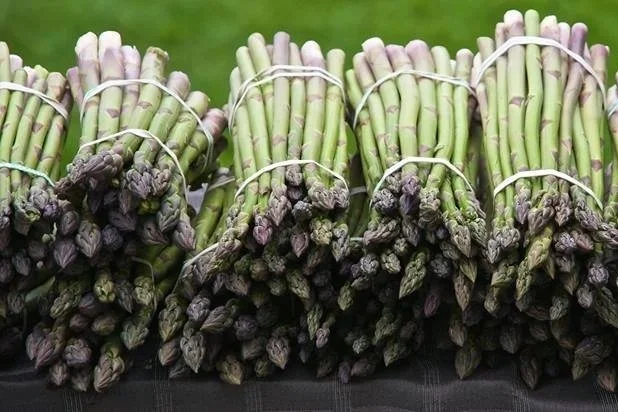
Unless you’re using it right away, skip washing your asparagus until right before you need it. Snap off the ends (about ½ inch from the base) and stand the spears upright in a jar or glass with about 1 inch of water. Loosely cover the tops with a produce bag and store in the fridge.
Change the water every few days and your asparagus should stay crisp for up to a week.
-
To freeze asparagus, begin by washing in cool water. Next, trim off the woody end and discard. Cut into ½ inch pieces.
To preserve colour, taste, and nutrients blanch asparagus in boiling water for about 2 minutes, then place them into an ice bath for another 2 minutes. Dry asparagus as much as possible with a paper towel. Line a baking sheet with parchment paper and spread asparagus evenly across it, then place in the freezer for at least 2 hours. Once asparagus are frozen take out of freezer and place into labelled zip lock bags and back into freezer until use.
BEANS
-
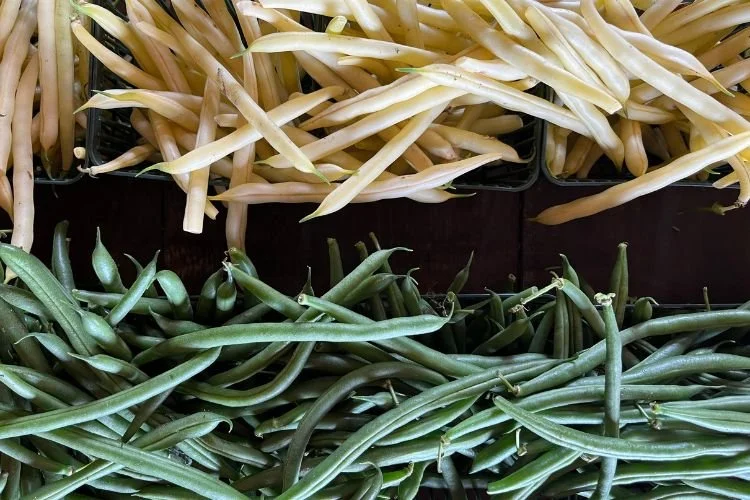
If you plan on eating beans within ~24 hours of purchase you can wash them and place them in a container in fridge. If not using right away place the beans in a container or plastic bag in your fridge for up to 1 week. If beans start to turn brown or slimy discard immediately.
-
To freeze beans, begin by washing in cool water. Next, trim off the ends of the beans and discard. Here you can cut beans however you please (ex. in half, quarters, full, etc).
To preserve colour, taste, and nutrients blanch beans in boiling water for about 3 minutes, then place them into an ice bath for another three minutes. Dry beans as much as possible with a paper towel. Line a baking sheet with parchment paper and spread beans evenly across it, then place in the freezer for at least 2 hours. Once beans are frozen take out of freezer and place into labelled zip lock bags and back into freezer until use.
BEETS
-
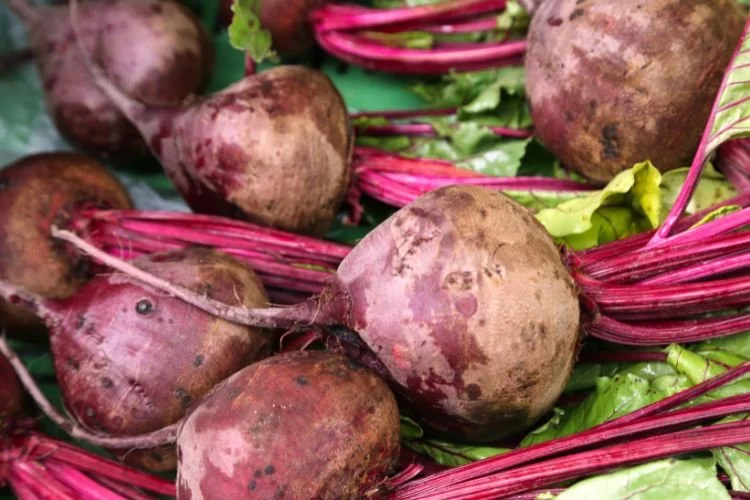
The first step in preventing beets from softening prematurely is cutting off the greens. You don't have to throw away the greens though -- they are delicious used in salads or sautéed with eggs! Store the greens in a plastic bag or Tupperware container, wrapped in paper towel. They will last for a couple of days.
Once you have separated the greens, place the unwashed beets in a sealed container or plastic bag and place in the fridge. They should keep up to 2 weeks. It's important to wait to wash beets until right before cooking as they have a waxy coating that helps protect them from spoiling too quickly.
-
If wanting to freeze beets for later use, remove greens then wash thoroughly before cutting up to your preferred size. Spread them out evenly on a lined baking sheet and transfer to the freezer. Once completely frozen separate beets into freezer bags and label and date bags for later use. Store them in freezer for up to a year.
BLUEBERRIES
-
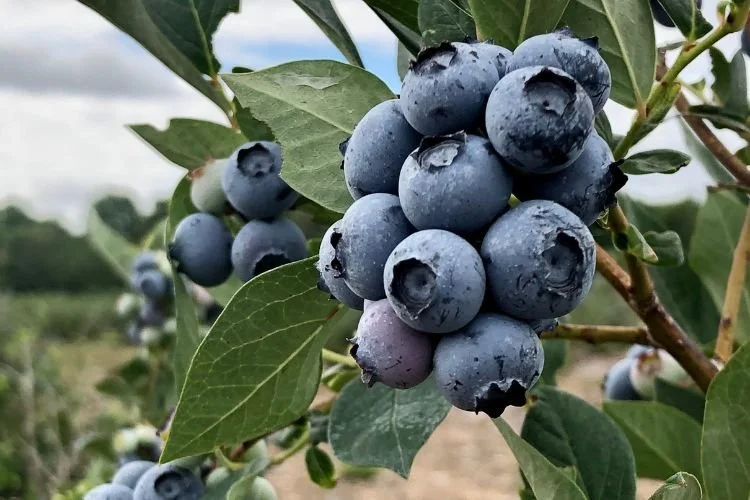
The first thing to consider with blueberries is whether or not to pre-wash them before storing.
While washing in advance will not harm your berries, it does increase the convenience factor. Blueberries are a hardy berry so if you prefer to pre-wash, then go for it! If you prefer to wash as you go, that’s okay too! The key is to minimize the amount of moisture to prevent the berries from spoiling prematurely.
We recommended that you place your berries on top of a piece of paper towel in a shallow, sealed container and place this container in your fridge.
Blueberries will keep well for up to 1 week, depending on your fridge.
-
Place your blueberries in a single layer on a rimmed baking sheet lined with parchment paper. Place the baking sheet in your freezer for about 2 hours, or until the berries are completely frozen
Next, transfer the frozen blueberries to a freezer bag or container and return to the freezer. They will keep anywhere between 6 months to one year in your freezer.
Dab your blueberries with paper towel to limit the amount of moisture before freezing. This will prevent the berries from sticking together and encourage better freezing overall.
BROCCOLI
-
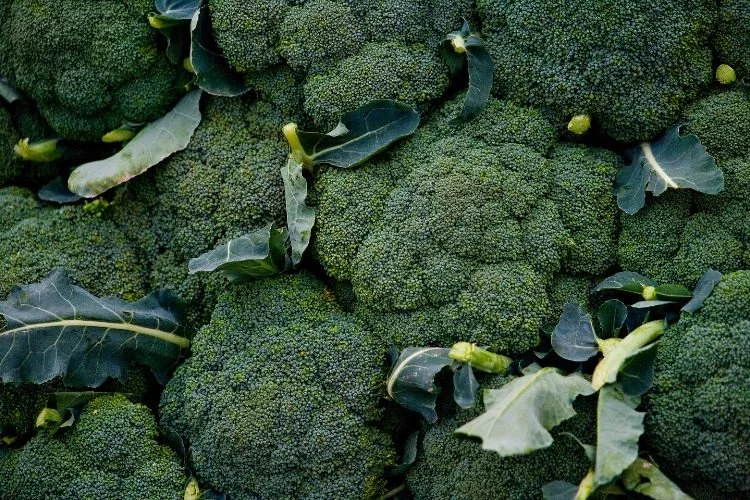
If eating broccoli within ~24 hours of purchase it's fine to wash. However, if not eating broccoli right away it's best to wait and wash it until just before use, as excess moisture can cause the broccoli to spoil prematurely.
Place unwashed and uncut broccoli into a plastic bag or Tupperware and place in a cool part of the fridge for up to 7 days.
-
To freeze broccoli, wash under cold water. Next, cut into bite sized florets (or any size you want, depending what you plan to use it for). To preserve colour, taste, and nutrients it's best to blanch the broccoli pieces in boiling water for 3 minutes. After blanching, quickly place the broccoli into an ice bath for the same length of time to stop the cooking process.
Next, dry the broccoli with a paper towel as much as possible and spread evenly across a baking sheet. Place in freezer for at least 2 hours until broccoli is completely frozen. Take broccoli out and transfer into labelled zip lock bags and back into the freezer for up to 1 year.
CABBAGE
-
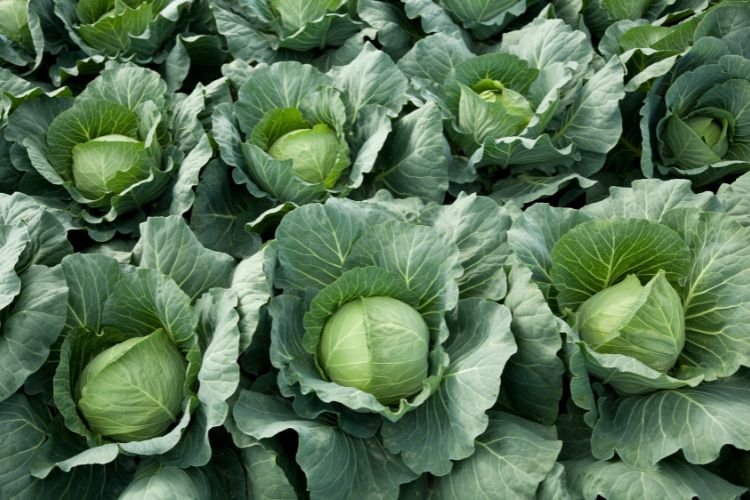
Cabbage is best stored whole and unwashed in a plastic bag in the fridge. With this method cabbage can remain fresh for several weeks. If wanting to use cabbage right away, rinse in cool water before preparing. Only rinse what you are using at that time, and avoid washing then placing back in a bag in the fridge, as this will lead to spoilage.
-
To freeze cabbage, rinse under cool water and pull apart into layers or shred. To preserve texture and colour, blanch cabbage for about 90 seconds in boiling water then place in an ice bath for another 90 seconds.
Once out of ice bath, dry with a paper towel as much as possible. Spread cabbage out on a baking sheet and place into freezer for at least 2 hours. Once cabbage is completely frozen, section it into labelled plastic bags and place back into the freezer. Cabbage can stay in freezer for up to 8 months to a year.
CARROTS
-
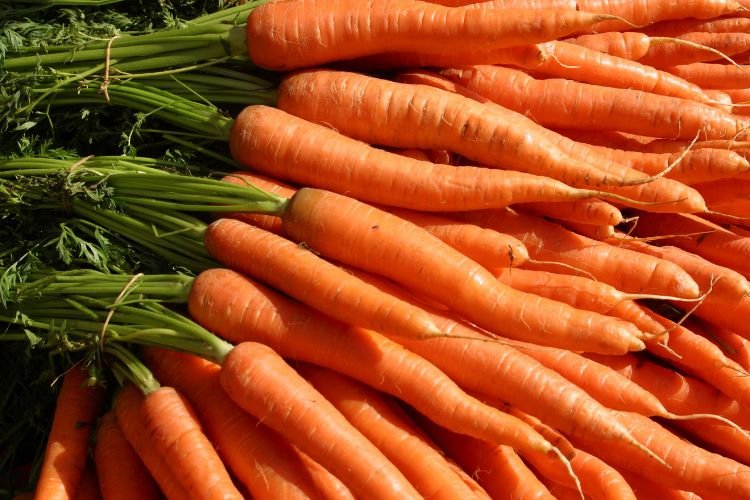
First, remove the green leafy tops from carrots, as they suck moisture from the roots and cause wilting. Do not wash the carrots until use as excess water can speed up the spoiling process. Next, wrap the carrots in a paper towel and store in an airtight container for up to two weeks. Mature carrots keep 3 to 4 weeks.
If wanting to pre-peel carrots for a quick snack, wash the carrots in cool water, peel and chop and then place the carrots in a container submerged in cold water for up to 3 weeks. A tall mason jar can work well for this, too! It's important to note the water should be changed every 4-5 days to inhibit bacterial growth.
-
Before freezing carrots, it is recommended that they be blanched first to best preserve nutrients, taste and colour. To do this, peel and chop carrots into preferred sizes and toss into a pot of boiling water for 3-5 minutes. Remove from boiling water and place in an ice bath for same amount of time boiling them. Finally, spread evenly on a lined cooking sheet, place in freezer. Once frozen remove from freezer and place in plastic bags or air tight containers and back in the freezer for up to 1 year.
CAULIFLOWER
-
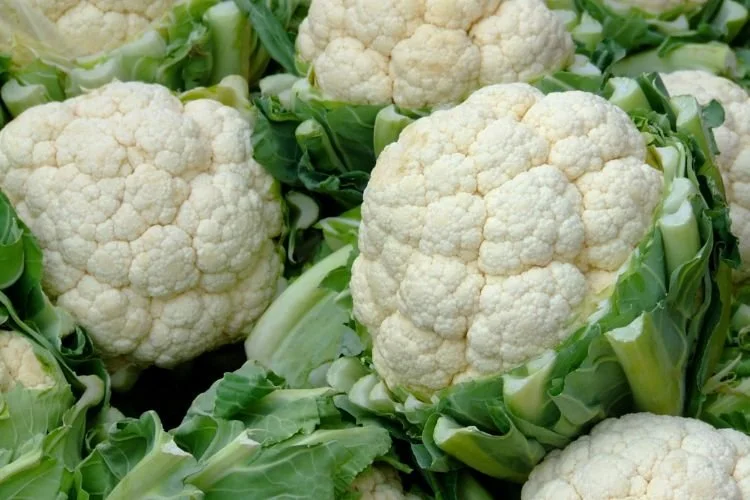
If eating cauliflower within ~24 hours it is fine to wash. If not eating cauliflower right away it's best to wait and wash it until just before use, as excess moisture can cause the cauliflower to spoil much faster. Place unwashed and uncut cauliflower into a plastic bag and place in a cool part of the fridge for 1 to 2 weeks. To speed up meal-prep, you could also pre-cut the cauliflower, and store in an air-tight container or bag in the fridge. We recommend waiting to wash still, though!
-
To freeze, wash cauliflower under cold water. Next, cut into bite size florets (or any size you want depending what you plan on using it for). To preserve texture, taste, and nutrients blanch the cauliflower pieces in boiling water for 3-5 minutes. Next, quickly place the cauliflower into an ice bath for the same length of time to stop the cooking process.
Dry the cauliflower with a paper towel as much as possible and spread evenly across a baking sheet. Place in freezer for at least 2 hours, until completely frozen. Take cauliflower out and transfer into labelled zip lock bags and back into freezer for up to 1 year.
CUCUMBERS
-
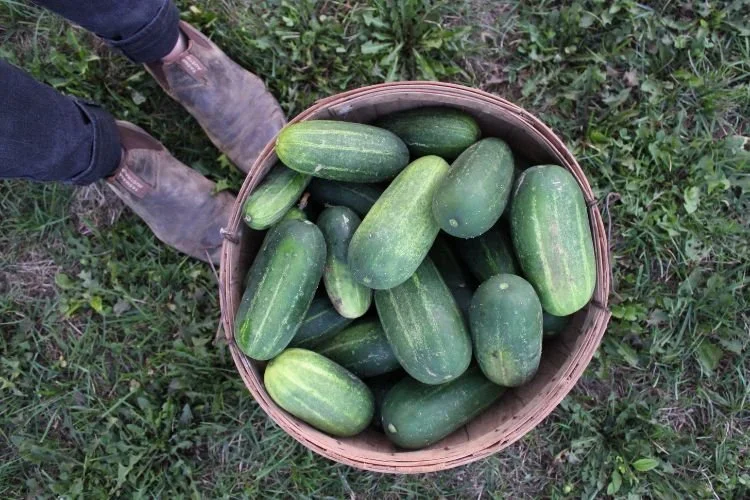
The best way to store cucumbers for a long period of time is to wash the outside of the cucumber with cool water.
Next wrap the cucumber in a paper towel to soak up any excess water -- this helps prevent the cucumber from becoming mushy. Place the wrapped cucumber into a plastic bag or container and place into the fridge.
If wanting to pre-cut up cucumber slices, place the pieces into a sealed container with a paper towel on top and eat within 2-3 days as they will get dried out. As for the partial cucumber that is left over from the slices, place a piece of plastic wrap (or beeswax wrap if you have it!) over the cut end and put in the fridge.
GARLIC
-
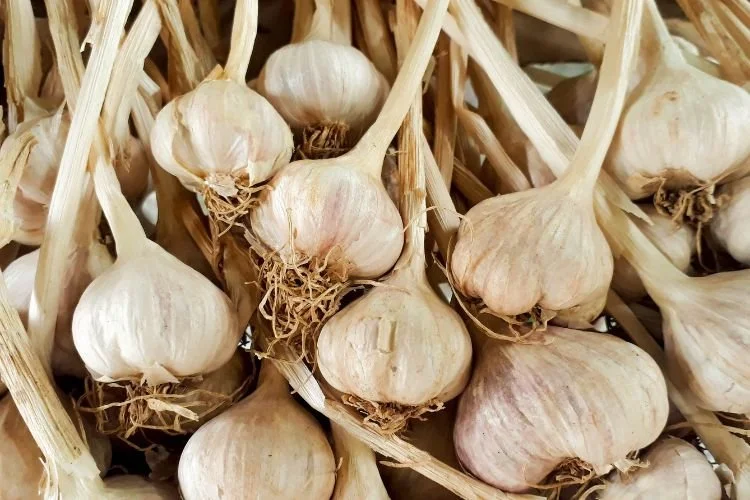
Store your garlic stalks in a cool, dark place. A pantry, cupboard, or countertop away from the sunlight are all great options. This will keep your garlic flavourful and stop it from sprouting.
When stored properly your garlic will last 3-6 months.
-
GREEN GARLIC
This is a young garlic and is more delicate then more mature garlic that you’ll find later in the season. For this reason you’ll want to wrap the bulb in a damp paper towel and store in a plastic bag or container in your fridge. It will stay fresh for up to 1 week.
-
GREEN GARLIC
Peel and finely dice the bulbs. Line a baking sheet with parchment paper and spread garlic evenly across it, then place in the freezer for at least 2 hours. Once garlic is frozen take out of freezer and place into labelled zip lock bags and back into freezer until use.
Or you can blend chopped garlic with 1 tbsp of olive oil. Freeze in ice cube trays (silicon ones work best) for easy cooking.
GARLIC
Peel and finely dice the bulbs. Line a baking sheet with parchment paper and spread garlic evenly across it, then place in the freezer for at least 2 hours. Once garlic is frozen take out of freezer and place into labelled zip lock bags and back into freezer until use.
Or you can blend chopped garlic with 1 tbsp of olive oil. Freeze in ice cube trays (silicon ones work best) for easy cooking.
KALE
-
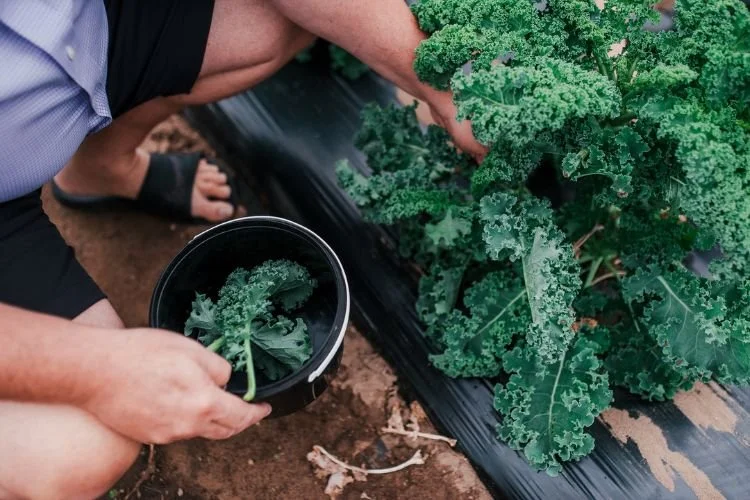
Once kale has been harvested, rinse it thoroughly under cold water to remove dirt. Dry kale as best as possible and wrap in a paper towel to remove any access water as moisture speeds up the spoiling process. Place the wrapped kale in a container or bag in the refrigerator for up to 7 days.
-
Before freezing kale, blanch it to best preserve nutrients and its vibrant green colour. To do this chop or tear kale into preferred size and toss into a pot of boiling water for 1-2 minutes. Remove from boiling water and place in an ice bath.
Thoroughly dry kale in a salad spinner or paper towel and spread evenly on a lined baking sheet, then place in freezer. You can skip the blanching and toss the kale straight into a freezer bag, but be aware that the colour won't be preserved as well. This is a great option if you plan on using it for soups & stews, where colour doesn't matter as much!
Once frozen remove from freezer and place in plastic bags or air tight containers and back in the freezer for up to 8 months.
LETTUCE

-
Once lettuce has been harvested, thoroughly rinse under cold water to remove dirt and contaminants.
Next, dry lettuce as best as possible (a salad spinner works well here!) and wrap in a paper towel to remove any access water as moisture speeds up the spoiling process.
Place the wrapped lettuce in a container or bag in the refrigerator for up to 7 days.
If lettuce starts to wilt you can revive it by placing it into ice cold water for a few minutes before using.
However, if the lettuce has an odor or has a slimy texture, discard it immediately.
ONIONS
-
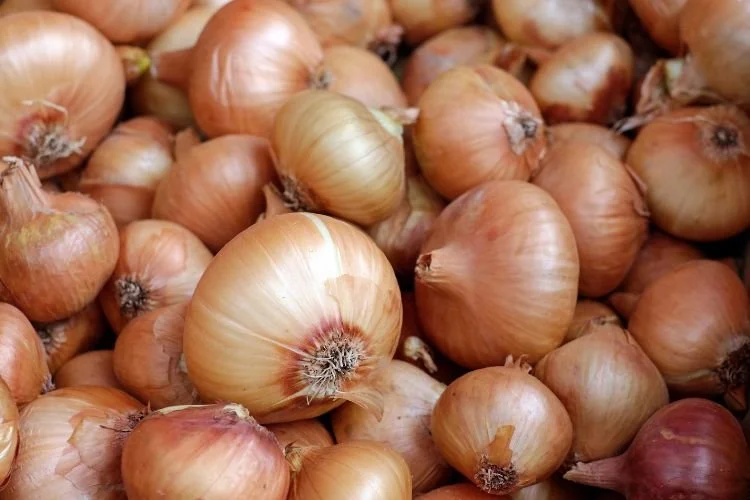
Store your onions in a cool, dark place. A pantry or basement are both great options. Ensure good air circulation.
Onions should not be stored with potatoes. They give off gases that will speed up spoilage.
-
Once cut or peeled, store onions in an airtight container in the fridge. Use within 7 days.
-
Although frozen onions won’t hold their texture, it’s a great option to quickly add to soups or stews. Chop onions and spread evenly on a lined baking sheet, then place in freezer. Once frozen place in a labelled ziploc bag.
PEPPERS

-
Unless consuming peppers right away do not rinse them, as this will speed up the rotting process. Store whole, uncut peppers in a plastic bag with a paper towel in the bag to absorb excess moisture and place into the fridge. Using this method peppers should last at least one week.
To speed up meal prep, you may wish to pre-cut the peppers. If so, wash the pepper thoroughly then cut into your desired size and shape. Store in an airtight container or bag and use within 3 - 4 days. If the the pepper slices have an odor or a slimy texture, discard them immediately.
-
To freeze peppers, rinse under cool water, and then cut peppers into strips or chunks (depends what you intend to use them for).
Once cut up, place peppers onto a lined baking sheet and place in freezer for at least 2 hours. Once frozen, remove from pan and place peppers into labelled freezer bags and back into freezer for up to 1 year.
POTATOES
-
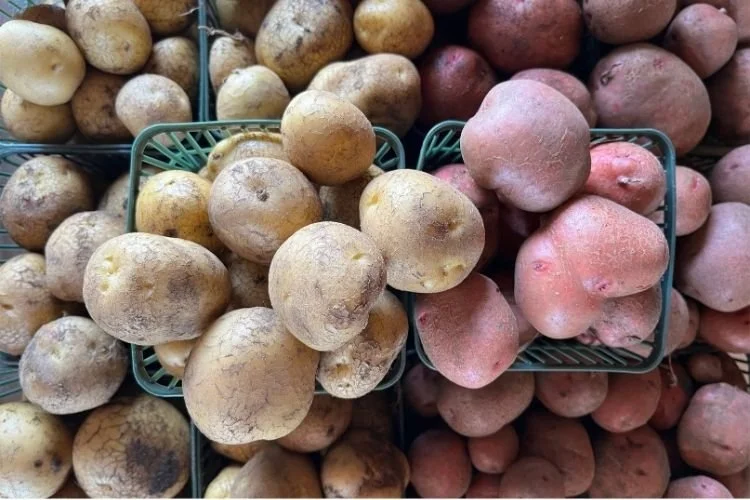
Potatoes should not be washed in advance as added moisture will speed up the decomposition process.
Rinse potatoes with water prior to use, and you are good to go!
Store your potatoes in a cool, dark place.
Potatoes are light sensitive and will start to rot prematurely if exposed to it for extended periods of time.
RASPBERRIES

-
Washing raspberries in advance is not recommended, as this added moisture will spoil your berries much faster. For this reason, we recommend washing your raspberries before use only.
When storing raspberries, line a shallow container with paper towel to collect any existing moisture on the berries. Seal the container and place it in your fridge, where they will last for up to one week on average.
-
To freeze, place your raspberries in a single layer on a rimmed baking sheet lined with parchment paper. Place the baking sheet in your freezer for about 2 hours, or until the berries are completely frozen.
From there, transfer the frozen raspberries into a freezer bag or container and return to the freezer. We also recommend you label and date the container the raspberries are froze in to ensure food safety. They will keep well for up to 6 months.
RHUBARB
-
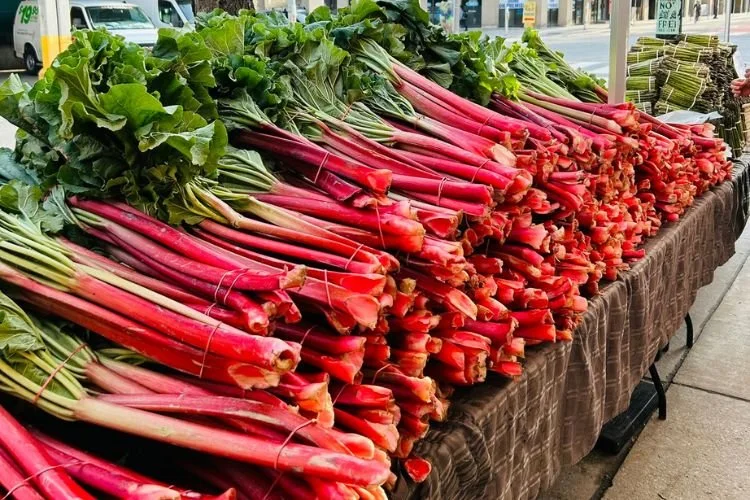
Trim off the base and leaves. Give stalks a thorough rinse. Stand rhubarb upright in a jar or glass with about 1 inch of water. Loosely cover the tops with a produce bag and store in the fridge.
Change the water every few days and your stalks will stay crisp for up to 2 weeks.
-
To freeze rhubarb, begin by washing in cool water. Next, trim off the base and leaves, discard. Cut into ½ inch pieces.
To preserve colour, texture, and nutrients blanch rhubarb in boiling water for about 2 minutes, then place them into an ice bath for another 2 minutes. Dry as much as possible with a paper towel. Line a baking sheet with parchment paper and spread rhubarb evenly across it, then place in the freezer for at least 2 hours. Once frozen take out of freezer and place into labelled zip lock bags and back into freezer until use.
Use frozen rhubarb for jams, pies, and in smoothies. You can cook right from frozen.
SPINACH
-
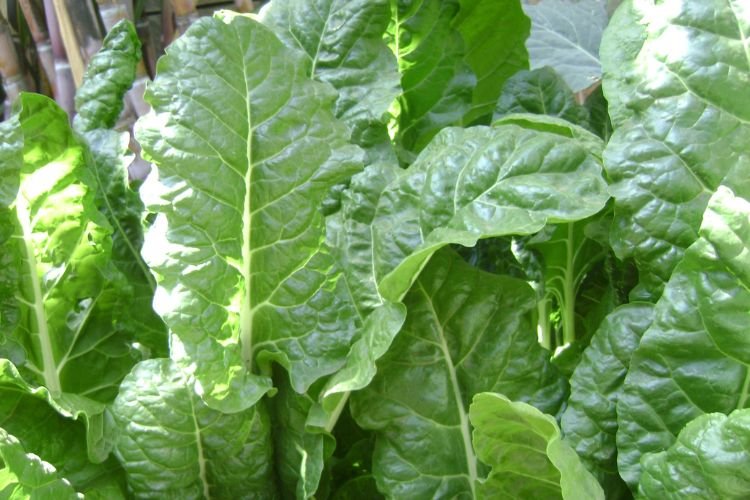
First, discard yellow or damaged leaves as the spoilage bacteria can affect the rest of the spinach quickly. Next, remove stems and ribs if desired.
Rinse spinach in cold water, drain, and wrap in paper towel to absorb excess water. Moisture can speed up the spoilage process so you want to remove as much a possible. Place the wrapped spinach into a plastic bag and seal with minimum air and refrigerate for up to 8 days.
-
Before freezing spinach, blanch it to best preserve nutrients and its vibrant green colour. To do this, chop or tear spinach into preferred size and toss into a pot of boiling water for 1-2 minutes. Remove from boiling water and place in an ice bath.
Thoroughly dry in a salad spinner or paper towel and spread evenly on a lined cooking sheet, place in freezer. Once frozen remove from freezer and place in plastic bags or air tight containers and back in the freezer for up to 8 months.
SQUASH
-
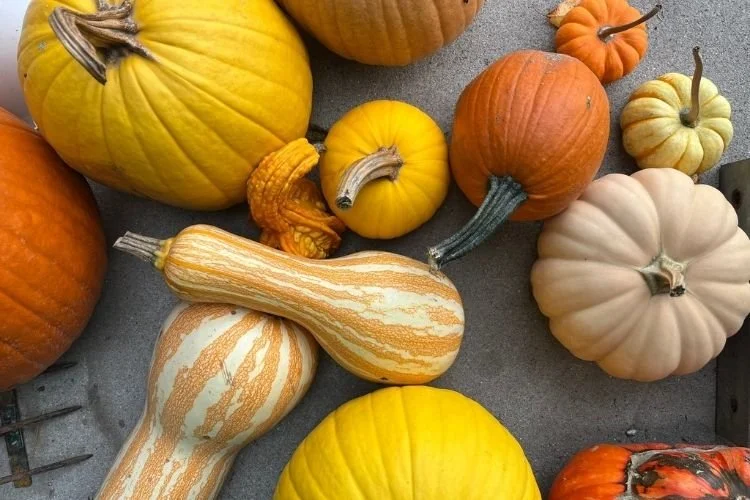
Store your squash in a cool, dark place. The basement or a pantry are great options. Be sure to keep squash on a shelf and not the floor to avoid moisture and pests.
-
Peel, core, and chop your squash in to small pieces. To preserve texture, taste, and nutrients blanch the squash pieces in boiling water for 3-5 minutes. Next, quickly place the squash into an ice bath for the same length of time to stop the cooking process.
Dry as much as possible and spread evenly across a baking sheet. Place in freezer for at least 2 hours, until completely frozen. Take squash out and transfer into labelled zip lock bags and back into freezer for up to 1 year.
Or cook squash into a puree, let cool and scoop into labelled zip lock bags. Seal and flatten bag for easy storage in your freezer for up to 1 year.
STRAWBERRIES
-
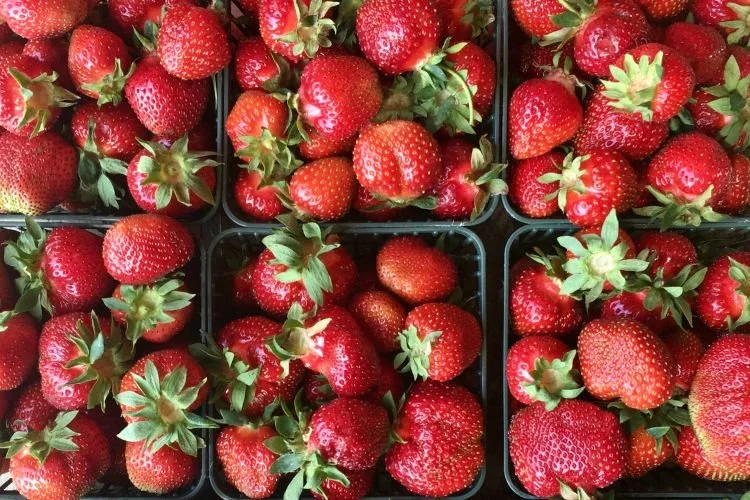
If you plan on using your strawberries within ~24 hours, it's okay to wash them, dry them, and put them in a container lined with paper towel to collect excess moisture.
A single layer is the preferred method of storage in the fridge to avoid damaging the berries. If you plan on using your strawberries throughout the course of the week, best practice would be to leave them unwashed until you are ready to use them.
Washing too far in advance introduces unwanted moisture which will make your berries go bad, faster. It's still recommended that you line a container with paper towel and place your berries in a single layer.
Strawberries will keep in the fridge for up to 1 week, in a sealed container in a single layer on a piece of paper towel.
-
Here are some helpful tips for successfully freezing your berries:
Carefully wash your berries by running them under cold water in a strainer. Washing strawberries in smaller batches is ideal.
Use layered paper towel to set your washed berries on and allow to air dry. You may also gently dab your berries with paper towel to speed up this process.
Next, remove the stem with a paring knife by inserting it and moving it in a circular pattern. This will avoid wasting the flesh of the berries!
The next step will be dependent on what you plan on using your berries for. You may slice your berries or you may want to leave them whole. The choice is yours!
Place your strawberries on a rimmed baking sheet lined with parchment paper in a single layer. Place this in the freezer for ~2 hours, or overnight depending on your freezer. Once they are fully frozen, put them in a freezer bag or container, and they’ll be ready whenever you are! In the freezer, strawberries will keep for about six months to a year.
TOMATOES
-
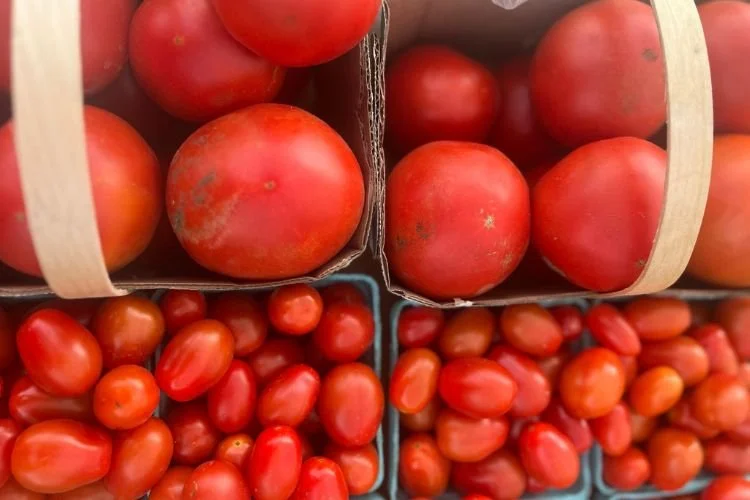
Tomatoes will continue to ripen after they’ve been picked. if your tomato isn’t juicy red yet, leave it on your counter out of sunlight for a few days until the desired ripeness.
If your tomato is ripe and you plan to eat it within 24 hours, leave it out at room temperature. The fridge can dull the flavours and this will allow you to enjoy your tomatoes at their prime. If your tomato is ripe but you won’t be eating it for a few days, place in a paper or mesh bag in the fridge. Try to bring your tomato back to room temperature before consuming.
ZUCCHINI
-
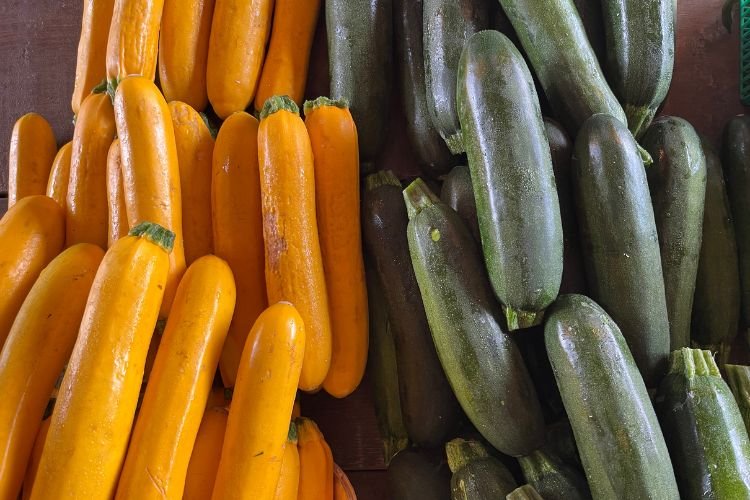
If you plan to use the zucchini within a day or two, it’s perfectly fine to wash in advance. If, however, you will be waiting to use your zucchini, do not wash beforehand. Wash prior to use to preserve the freshness and texture of the vegetable.
Leave zucchini on the counter if using it within a day or two. However, if you are not planning to use it right away, store your zucchini in the fridge for up to a couple weeks, depending on your fridge settings. Just be sure to use them before their skin starts shriveling up!
-
If you notice your zucchinis are going limp or beginning to shrivel up, or if you just have more than you can use (which often happens during peak zucchini season!) you can freeze them to add to sauces, smoothies, or in baking!
Depending on your plans with the frozen zucchini, you can grate it and freeze it like that, or you can chop it up and freeze it in chunks.